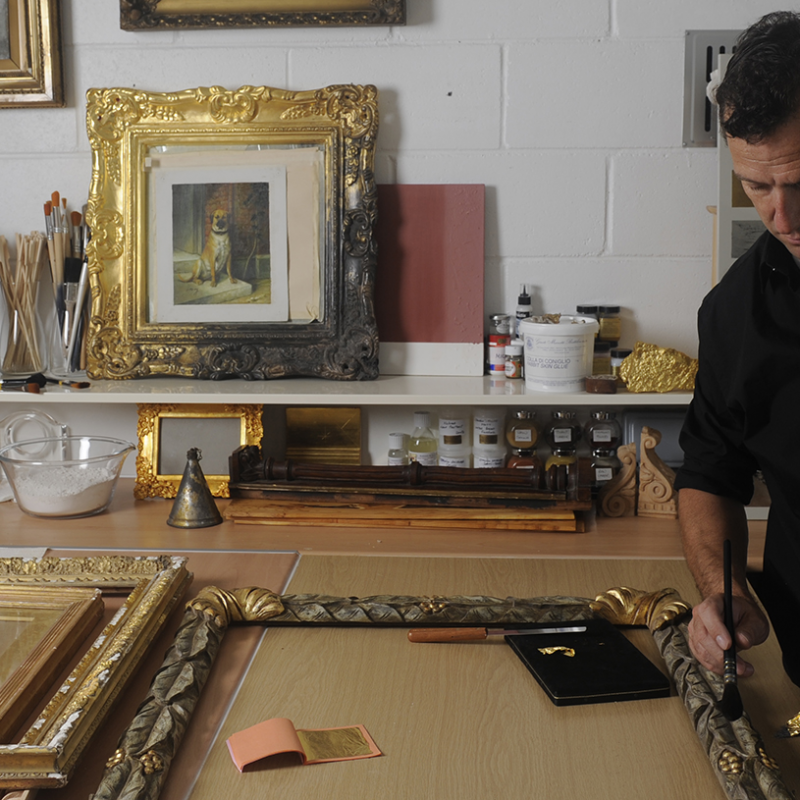


Guest Feature by Richard Walker, Master Gilder, Watergild Studios
Gold leaf can be confusing if it’s new, or if you’re experimenting with a new finish. You’re faced with different types, qualities, and price points and even experienced gilders can find the terminology unclear at times.
In this guest feature, Master Gilder Richard Walker shares practical insight into what really matters when choosing gold leaf, and how those decisions directly affect your final result.

Where Does Gold Leaf Come From?
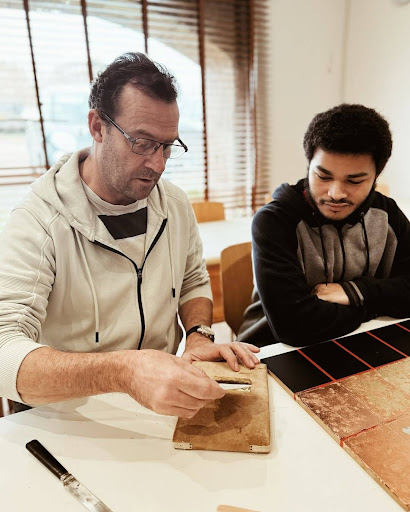
One of the most commonly misunderstood aspects of purchasing gold leaf is its origin. Many people are simply unaware of where gold leaf is produced today.
Here in the UK, gold leaf has not been factory-produced for well over thirty years. All gold leaf purchased in this country (regardless of supplier) is imported, most commonly from Europe and China.
Among European producers, Germany and Italy are widely regarded for offering the highest levels of quality and consistency. For fine work, particularly where surface clarity matters, this consistency becomes critical.
Why Thickness Matters
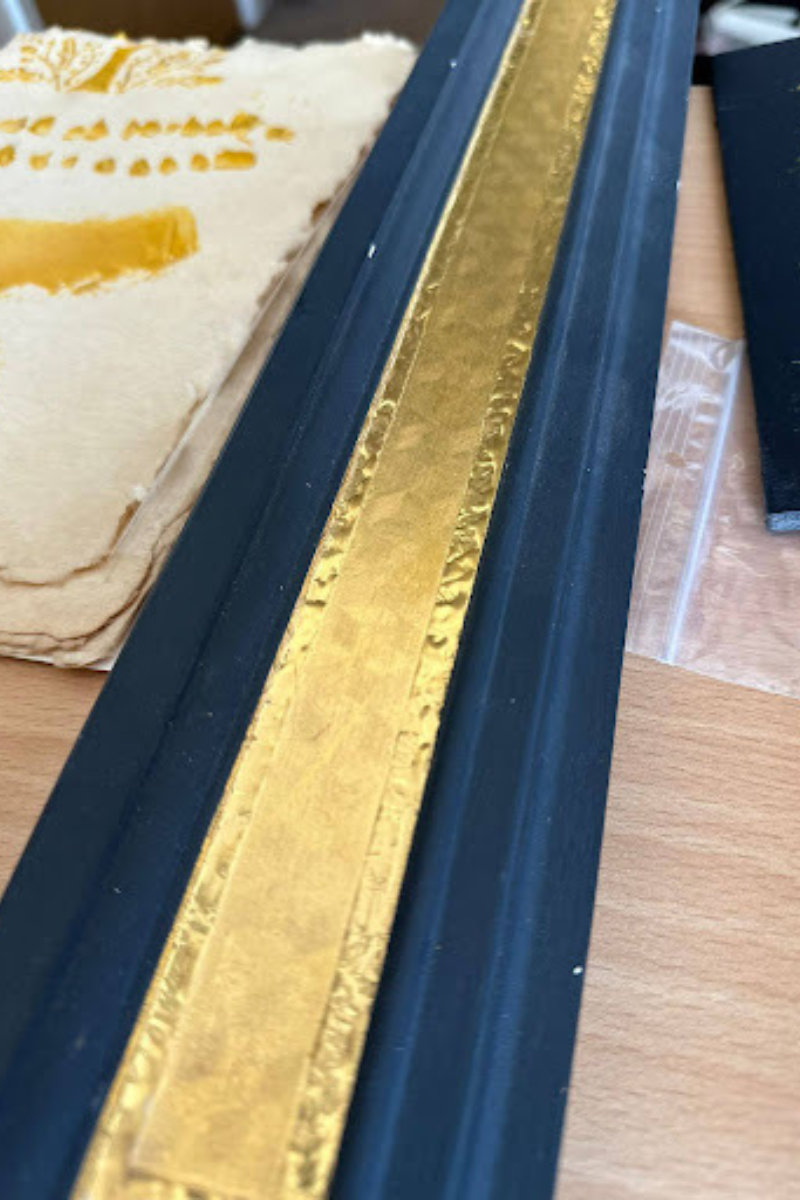
When it comes to gold leaf, thickness is determined by the amount of gold used in production.
The primary method of benchmarking gold leaf quality is by measuring the weight of gold used to produce 1,000 leaves. To give examples
- ~13g per 1,000 leaves
Approx. 0.1 microns thick
More delicate, may contain pinholes or small imperfections - 14–18g per 1,000 leaves
Mid-range quality
More consistent, suitable for most applications - Up to 23g per 1,000 leaves
Significantly thicker and stronger
Up to 65% more gold content than basic grades
In practical terms: thicker leaf is easier to handle, less prone to tearing, and produces a cleaner, more refined finish.
A Note on Other Metal Leaf
It’s worth noting that imitation and base-metal leaf (such as aluminium or copper) behaves very differently.
These materials are typically around 0.3 microns thick (roughly three times thicker than gold leaf) meaning performance is less about thickness and more about manufacturing consistency.
Choosing the Right Leaf
There’s no universal “best” option, the right choice depends entirely on your project, finish, and environment.
- Basic Gold Leaf
An introductory-grade leaf where small imperfections may be present. Particularly suited to distressed finishes, base layers, or antiqued effects where character is desired.
- Standard Gold Leaf
An industry-standard option offering a dependable balance between quality and value. Suitable for most general gilding work. - High-Quality / Thicker Leaf (up to 23g)
A heavier, more durable leaf that produces smoother finishes and is easier to control, ideal for fine detail and professional results.
- Glass Quality Leaf
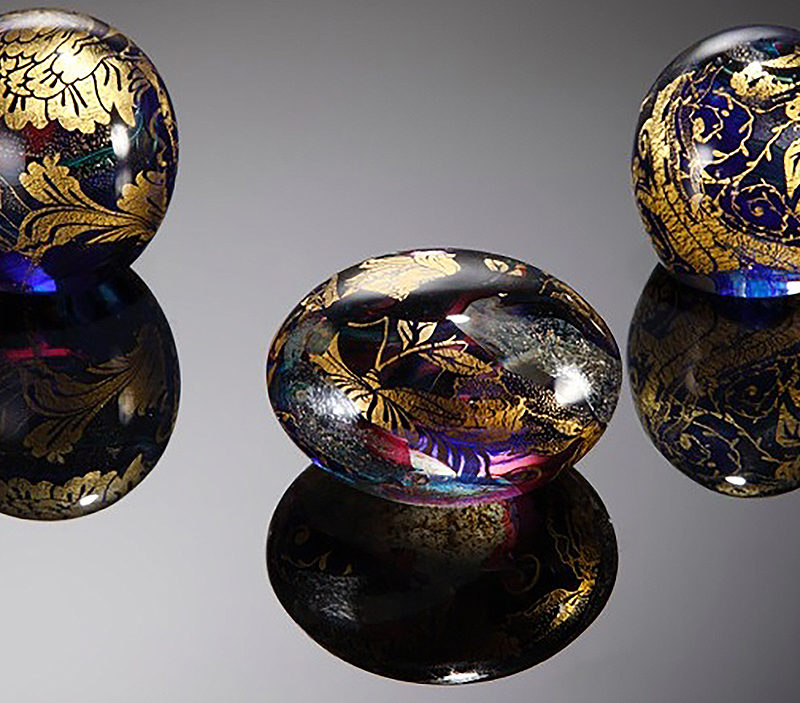
A particularly clean leaf with minimal surface imperfections, intended for high-clarity applications such as verre églomisé.
- Platin Leaf (gold alloyed with platinum)
A gold leaf alloyed with platinum rather than silver, offering increased durability, brightness, and strength, particularly valuable for exterior use.
Interior vs Exterior Work
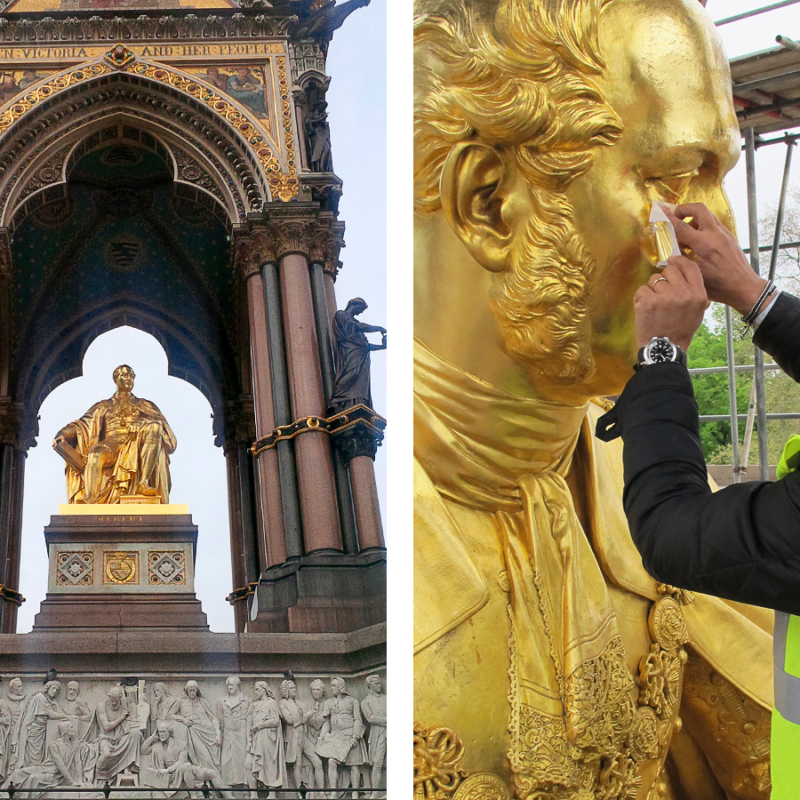
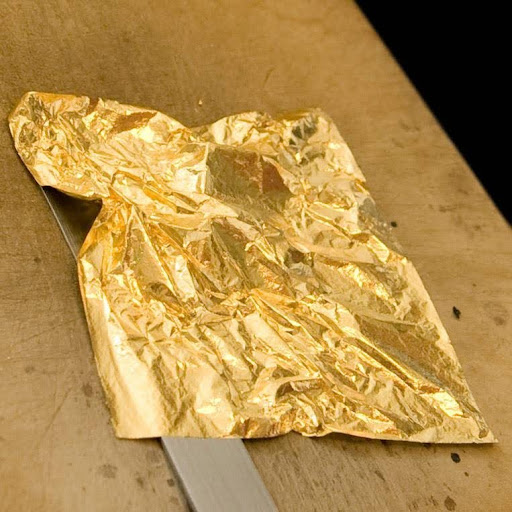
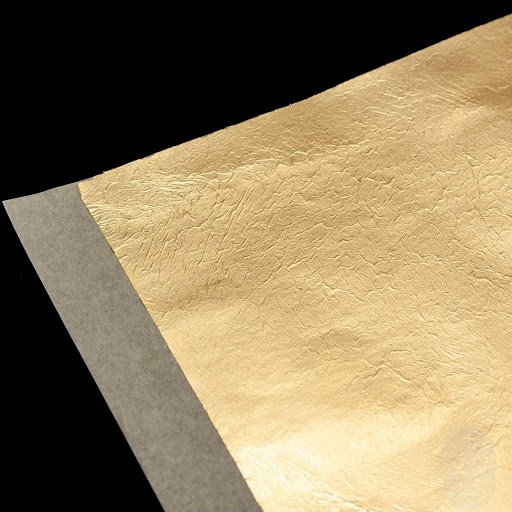
For exterior gilding, environmental exposure will gradually erode the surface over time. In these conditions, choosing the right leaf becomes essential.
A minimum of 18g leaf is recommended, ideally at 23 carat or above, to ensure durability.
An excellent alternative is 23.75ct platin leaf, which offers enhanced longevity and a brighter finish due to its platinum content.
For interior work, there is greater flexibility. The choice can be guided more by finish, budget, and aesthetic preference rather than durability alone.
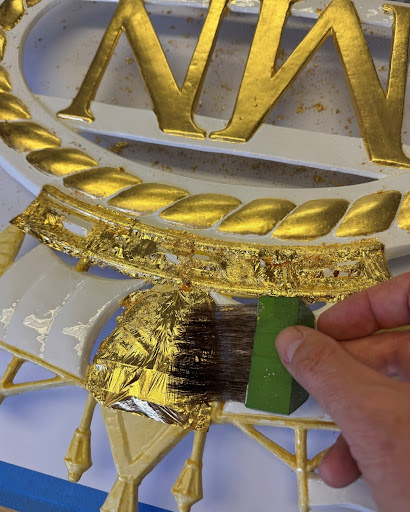
Why Quality Makes a Difference
No matter which leaf you choose, the preparation and labour involved remain the same.
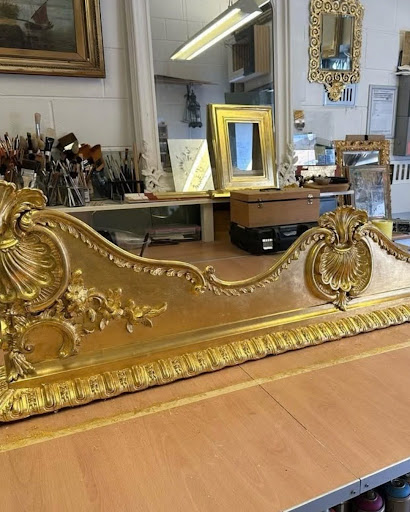
In many cases, the cost of the gold itself represents only a small proportion of the overall project, yet it has a significant impact on the outcome.
Choosing higher-quality leaf can offer clear advantages:
✔️ Smoother application
✔️ Better finish
✔️ Longer-lasting results
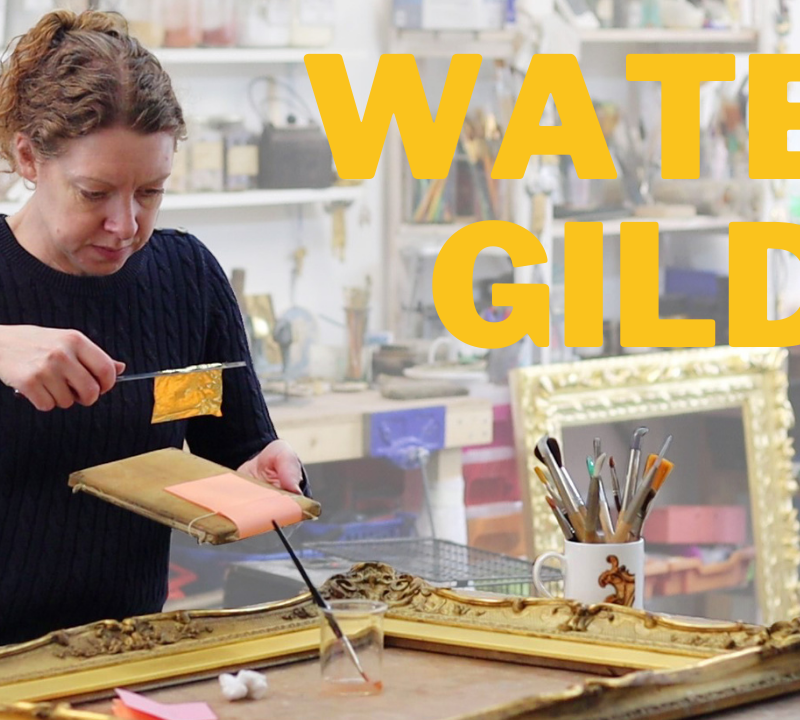
For techniques such as water gilding, thicker leaf is particularly beneficial. It produces a more refined surface, is easier to burnish, and is less prone to scratching.
Final Thoughts
Gold leaf isn’t just about appearance, it’s about understanding how the material behaves.
By choosing the right type and quality for your project, you not only improve the final finish but also make the entire process more controlled and enjoyable.
Ready to choose the right gold leaf for your next project?
Explore our full range on our website and find the perfect fit for your work.